Step-by-Step Guide by Kamlesh Singad
In today’s digital world, Python is one of the most powerful and beginner-friendly programming languages. Whether you’re a student, a data-science enthusiast, or a career-switcher, learning Python opens the door to endless opportunities — from web development to AI & machine learning, from automation to data analysis.
If you’ve been wondering “How to start learning Python for beginners?”, this detailed guide will help you get started — even if you have zero coding experience.
Why Learn Python?
Before jumping into the “how,” let’s understand why you should learn Python:
- Easy Syntax: Python reads like English — simple, clear, and concise.
- Career Opportunities: From data analysis to AI, Python is in high demand.
- Great for Logic Building: It helps beginners understand coding concepts without complexity.
- Large Community & Free Resources: Tons of free Python beginner courses, tutorials, and PDF guides are available online.
Step-by-Step: How to Start Learning Python for Beginners
If you’re searching for “how to start learning Python for beginners step by step” — here’s your roadmap:
Step 1: Understand the Basics
Start with the core concepts — variables, data types, loops, and functions.
You can download a Python programming for beginners PDF or take a Python beginner course online.
Step 2: Learn Python Online (Free)
You don’t need to spend money at the start. You can learn Python online for free using platforms like:
- freeCodeCamp
- Codecademy
- Coursera
- Kaggle (for data analysis)
- YouTube tutorials
If you’re a Reddit user, communities like r/learnpython are perfect for practical guidance — great for “how to start learning Python for beginners Reddit” seekers.
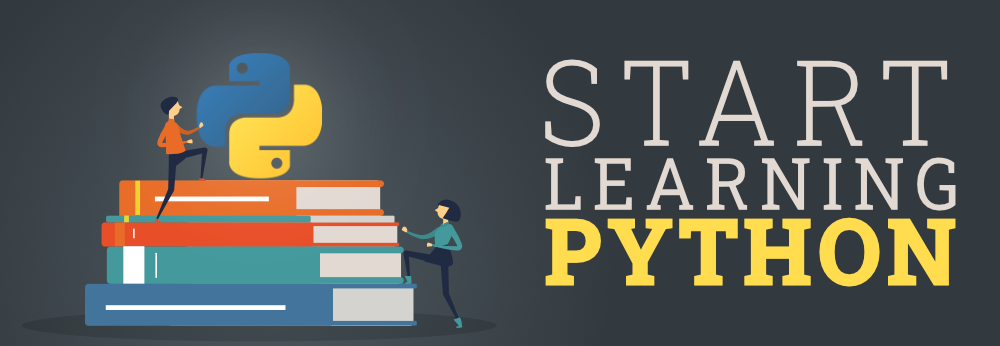
Step 3: Practice Coding Daily
Follow the 80/20 Rule in Python — focus 80 % of your time on practice and 20 % on theory.
Write small scripts every day to build logic and confidence.
Step 4: Work on Mini Projects
Practical exposure is everything. Try small tasks like:
- Calculator app
- To-do list program
- Data analysis with Pandas and NumPy
- Simple AI chatbot
These projects strengthen your understanding of Python for data analysis and AI.
Step 5: Learn Python Using AI
Artificial Intelligence can now teach you Python faster. Tools like ChatGPT, Gemini, and GitHub Copilot can:
- Generate code examples
- Explain errors
- Recommend practice tasks
This is an evolving trend — “How to Learn Python Using AI” is the future of education.
Step 6: Join a Course or Community
Once you’ve grasped the basics, enroll in a Python learning course for structured progress.
At Kamlesh Singad Academy, we provide step-by-step Python training — from fundamentals to AI-integration projects.
Python for Data Analysis
Python + Data Analysis = Career Growth!
Libraries such as Pandas, NumPy, and Matplotlib make it simple to clean, analyze, and visualize data.
If you’re aiming to work in analytics or data science, start focusing on:
- Data Cleaning with Pandas
- Exploratory Data Analysis (EDA)
- Visualization with Matplotlib / Seaborn
A good Python course for beginners always includes real-time data-analysis projects.
Can You Self-Teach Python?
Absolutely Yes!
Many developers are self-taught. The key is consistency + practice.
If you ever ask, “Can I self teach myself Python?” — the answer is a resounding YES.
Use free PDFs, YouTube tutorials, and online coding platforms to learn at your pace.
Is C++ or Python Easier?
For beginners, Python is easier than C++.
C++ is powerful but syntax-heavy. Python’s simple structure makes it ideal for absolute beginners, especially if you plan to use it for data analysis, AI, or web development.
Recommended Python Beginner Courses & Resources
Here are some Python learning courses you can start with:
| Type | Platform | Cost | Suitable For |
|---|---|---|---|
| Beginner Course | Coursera / Google Python | Free + Paid Options | Starters |
| Data Analysis with Python | Kaggle / freeCodeCamp | Free | Data Science Learners |
| Learn Python Step by Step PDF | W3Schools / TutorialsPoint | Free | Self-learners |
| Python Beginner Course with AI | Kamlesh Singad Academy (AI Mentor) | Paid | Learners seeking mentorship |
Tips to Stay Consistent
- Set daily coding goals
- Join online Python communities
- Solve one coding problem daily
- Track your progress with GitHub or Replit
- Use AI tools for instant code feedback
Remember — learning Python is not a one-day task; it’s a journey of logic and creativity.
Final Thoughts: Start Your Python Journey Today
Python is not just a programming language — it’s a career skill.
If you’ve been searching for:
- How to start learning Python for beginners online free
- How to learn Python step by step for free
- Python beginner course or Python course for beginners
Then your time starts now.
At Kamlesh Singad’s Digital Academy, we help students and professionals learn Python step by step through real projects and AI-based assistance.
Start your Python learning journey today — because the future belongs to coders who create!
FAQs
Q1. How should a beginner learn Python?
Start with basics, practice daily, and build small projects. Use free online resources and AI assistants.
Q2. Can I learn Python for free?
Yes, you can learn Python online for free using platforms like YouTube, freeCodeCamp, and Kaggle.
Q3. What is the 80/20 rule in Python?
Spend 80 % of your time coding and 20 % studying theory to master Python quickly.
Q4. Is Python good for data analysis?
Definitely! Python is the most popular language for data analysis and machine learning.
Q5. Is C++ or Python easier for beginners?
Python is simpler to learn and understand for beginners compared to C++.