In the world of language learning apps, few names shine as brightly as Duolingo. What started as a simple free app has grown into one of the most popular platforms in the world. A big reason for this success is not just the app itself — it’s Duolingo’s Social Media Strategy. They didn’t just rely on traditional advertising. Instead, they used social media in surprising and creative ways to connect with millions of learners around the world.
For digital marketers in 2026, Duolingo’s approach has become a case study in how to build an audience, grow engagement, and turn users into loyal fans. In this blog, we will explore how their strategy works, why it succeeded, and what lessons you can learn for your own digital marketing services.
1. What Makes Duolingo Different on Social Media?
Before we dive into the details, it’s important to understand the basics of Duolingo’s Social Media Strategy. Duolingo didn’t just post updates about language lessons or new features. They created content that people wanted to share, talk about, and remember.
Some of the core elements that make their strategy stand out are:
- Personality-driven content
- Humor and relatability
- Bold and consistent branding
- Audience participation
- Cross-platform creativity
Let’s break these down one by one.
Read also : How Dollar Shave Club’s Viral Video Marketing Strategy Drove Explosive Brand Growth
2. Personality-Driven Content: Making a Brand Feel Human
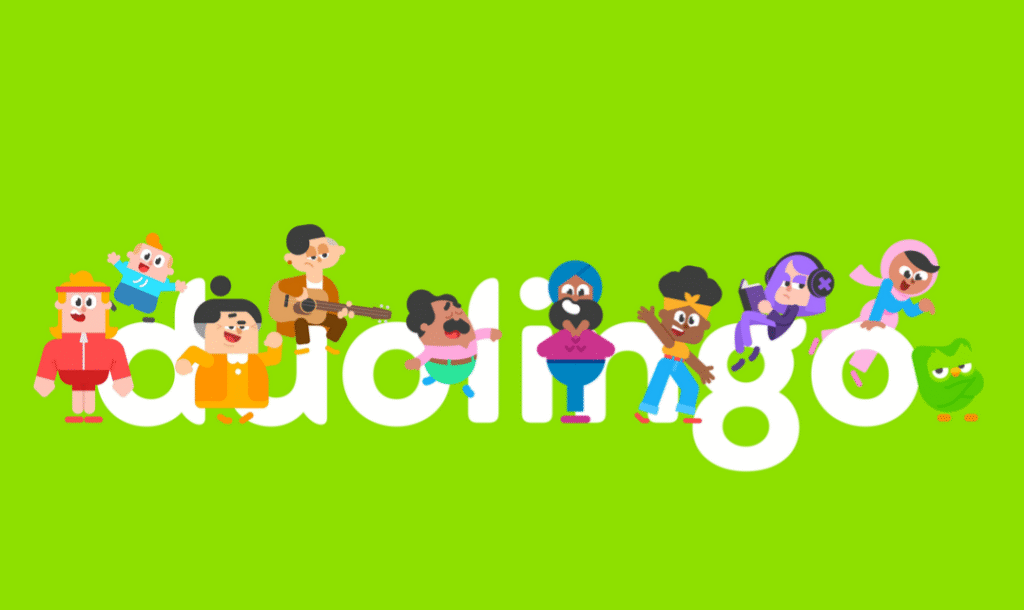
A major part of Duolingo’s strategy is giving its brand a personality. Instead of acting like a boring corporation, Duolingo acts like a playful, sometimes cheeky friend. Their mascot — the green owl — often speaks in funny or sarcastic tones on social media. This makes followers smile, laugh, and even look forward to their posts.
In simple terms, Duolingo turned a language app into a character people cared about. This helped increase engagement because:
- People felt like they were interacting with a persona, not a machine.
- Posts felt more relatable.
- Followers were more likely to comment, like, and share.
For digital marketers in 2026, this highlights a key trend: brands that show personality perform better on social media than brands that only post formal updates.
Read also : How Spotify Uses Data-Driven Marketing to Win Millions of Users
3. Humor and Relatability: Laughing While Learning
Duolingo uses humor in a way very few educational apps do. They post memes, jokes, and clever references to everyday language challenges. Whether it’s struggling with grammar or forgetting vocabulary, many learners have experienced the same frustrations — and Duolingo turns those moments into humor.
This approach does two important things:
- It humanizes the brand.
- It turns everyday struggles into shared experiences.
People don’t just follow Duolingo for language tips. They follow because the content makes them feel seen and understood. Humor creates a strong emotional link between the user and the brand. When followers laugh, they are more likely to remember, react, and engage — which is the core of any successful Social Media Strategy.

4. Bold and Consistent Branding Across Platforms
Another reason Duolingo’s social media efforts work so well is consistency. Duolingo’s voice — fun, bold, and sometimes unexpected — stays the same across all platforms: Twitter (now X), Instagram, TikTok, and even LinkedIn.
Some principles Duolingo follows:
- Consistent tone of voice
- Frequent posting
- Clear visual style
- Easy-to-recognize brand elements (like the green owl)
This consistency helps build recognition. When users see a post, they instantly know it’s Duolingo — even without reading the handle. For anyone investing in digital marketing services, this is a simple yet powerful reminder: keep your brand voice clear and consistent everywhere.
Read also : Netflix’s Personalized Recommendation Engine: A Data-Driven Growth Strategy
5. Encouraging User Participation and Interaction
Duolingo doesn’t just post content — they invite users to participate. They ask questions, run polls, and post interactive stories that encourage users to respond. When followers engage, the algorithm rewards the content with better visibility.
Examples of this interactive approach include:
- Challenges (e.g., “Can you guess this phrase?”)
- Opinion polls (“Which language should we add next?”)
- Hashtag campaigns
- Duets and stitches (especially on TikTok)
By involving the audience, Duolingo turns followers into active participants — and active participants are more likely to become loyal users.
6. Cross-Platform Creativity: Mastering Each Social Channel
Duolingo understands that each social platform has its own language. They tailor their content to match what works best on each platform.
Here’s how they adapt:
| Platform | Style | Purpose |
|---|---|---|
| Twitter/X | Quick, witty text & memes | Engagement & brand personality |
| Visual posts & stories | Inspiration & visual storytelling | |
| TikTok | Short, fun videos | Viral reach & entertainment |
| Insightful posts | Professional storytelling & company updates | |
| YouTube Shorts | Bite-sized clips | Quick learning tips & entertainment |
For digital marketers in 2026, this illustrates an important lesson: don’t post the same content everywhere. Customize it based on the platform and audience.
7. Duolingo’s Social Media Strategy: Data-Driven, Not Guesswork
Behind the fun and humor lies a strong foundation of analytics. Duolingo constantly tracks data to understand what content works best. They measure:
- Engagement rates (likes, comments, shares)
- Follower growth trends
- Video views and completion rates
- Audience demographics
- Click-through rates to the app
Using this data, Duolingo adjusts its strategy regularly. They test different formats, measure results, and refine their content. This data-driven approach is a major reason why their social media presence performs so well.
For anyone offering digital marketing services, this underscores a core truth: creativity alone isn’t enough — it needs to be backed by data.
8. Learning From Feedback: Users Shape the Strategy Too
Duolingo listens to its community. They read comments, monitor reactions, and often incorporate user feedback into future content. This creates a sense of shared ownership — followers feel heard, and that increases loyalty.
Duolingo’s team doesn’t just broadcast content. They engage in conversations. They reply, joke back, and occasionally even poke fun at themselves. This type of engagement builds trust and deepens the connection between the brand and its audience.
9. Building a Global Community, Not Just an Audience
Because language learning is inherently multicultural, Duolingo’s social media reaches people from all over the world. Their content doesn’t just appeal to one region — it resonates globally.
Here’s how they build a global community:
- Posting content that appeals to multiple cultures
- Using humor that crosses borders
- Highlighting language success stories from real users
- Creating relatable experiences for learners of all ages
This global mindset is a powerful element of their Social Media Strategy. Instead of focusing solely on one market, they create content that almost anyone can relate to — whether you’re learning Spanish in the USA or Japanese in India.
10. The Role of Influencer and Creator Partnerships
Duolingo doesn’t stay isolated. They collaborate with content creators and influencers who help amplify their message. These partnerships help reach wider audiences and add fresh creative energy to the brand’s social presence.
Creators make:
- Duolingo-themed content
- Challenges featuring the Duolingo mascot
- Reviews of the app
- Memes inspired by the brand
Working with influencers is now a staple of modern digital marketing services, and Duolingo uses this tactic effectively to boost visibility.
11. Lessons for Digital Marketers in 2026
Now that we’ve seen how Duolingo’s social media strategy works, let’s extract key lessons that any digital marketer — especially those offering digital marketing services — can use:
a. Give Your Brand a Clear Voice
People connect with personality. Don’t be generic. Speak in a tone that fits your audience.
b. Make Content That’s Fun or Useful
Informative content matters, but content that feels good is shared more often. Humor and relatability go a long way.
c. Be Consistent Across Channels
Consistency builds recognition and trust. Use a coherent style and voice everywhere you post.
d. Tailor Content to Each Platform
Each social platform has its own language. Learn and adapt.
e. Use Data to Guide Decisions
Track, measure, analyze, and optimize. Don’t guess — know.
f. Engage Your Followers Like Real People
Reply, interact, and show you care. Engagement fuels visibility.
g. Think Globally, Act Locally
Even if your brand isn’t global, think about different audience segments and tailor content accordingly.
12. The Bigger Impact: Redefining Language Learning
Perhaps the most remarkable outcome of Duolingo’s strategy is its impact on the perception of language learning. Before, language apps were serious, academic, or dry. Duolingo made learning fun, social, and shareable. People now talk about language learning the way they talk about entertainment, hobbies, and culture.
Social media turned language learning into a cultural trend, not just a study task.
13. A Look at Metrics: Growth and Engagement
While we won’t dive into specific numbers here, the effect of Duolingo’s social media can be seen in:
- Massive follower counts on major platforms
- Viral trends involving the app
- Increased downloads driven by social buzz
- Higher engagement and community interaction
These outcomes prove that an effective Social Media Strategy does more than build followers — it builds brand value.
14. Final Thoughts
Duolingo’s journey shows that social media — when used creatively and strategically — can transform a brand. They didn’t follow old rules. They rewrote the playbook. Instead of posting boring updates, they created content that made people laugh, think, and connect.
For digital marketers in 2026, Duolingo’s success offers a clear blueprint:
- Be human
- Be bold
- Be consistent
- Be data-driven
- And most importantly, be unforgettable
Whether you’re building a new brand or growing an existing one, the principles behind Duolingo’s strategy can guide you toward stronger engagement, higher visibility, and real community-driven success.
FAQs
1. What makes Duolingo’s Social Media Strategy so successful?
Duolingo’s Social Media Strategy is successful because it combines humor, strong brand personality, audience engagement, and data-driven content decisions. Instead of only promoting language lessons, the brand creates entertaining and relatable content that connects emotionally with users.
2. How does Duolingo use humor in its Social Media Strategy?
Duolingo uses memes, playful captions, and its famous green owl mascot to create funny and relatable content. This approach increases engagement, shares, and brand recall, making language learning feel less serious and more enjoyable.
3. Why is Duolingo’s strategy important for digital marketers in 2026?
For a digital marketer in 2026, Duolingo’s approach shows that authenticity, creativity, and community engagement matter more than traditional promotional posts. It proves that a strong Social Media Strategy can drive organic growth and brand loyalty.
4. How does Duolingo use data in its Social Media Strategy?
Duolingo tracks engagement rates, follower growth, and content performance across platforms. By analyzing this data, they continuously optimize their content, ensuring that their digital marketing services approach remains effective and relevant.
5. What lessons can businesses learn from Duolingo’s Social Media Strategy?
Businesses can learn to develop a clear brand voice, create platform-specific content, engage actively with followers, and use analytics to improve results. A strong Social Media Strategy, like Duolingo’s, can transform audience engagement into long-term brand success.