In today’s fast-changing online world, posting content without knowing your Target Audience is like talking in a crowded room where nobody is listening. Many businesses create posts every day, run ads, and invest money in campaigns — but they don’t see results. Why? Because they are not speaking to the right people.
That is why Audience Research & Targeting is one of the most important parts of Social Media Marketing and Digital Marketing.
In this detailed guide, you will learn:
- What Audience Research means
- Why Target Audience matters
- How to identify your ideal audience
- Different types of targeting
- How to use data and analytics
- Common mistakes to avoid
- How businesses can improve their marketing results
Let’s start from the basics.
What is Audience Research?
Audience Research is the process of understanding the people you want to reach before creating content or running ads.
It means collecting information about your Target Audience, such as:
- Age
- Gender
- Location
- Interests
- Online behavior
- Buying habits
- Problems and needs
When you understand these things, your Social Media Marketing becomes more powerful and focused.
Instead of creating content for “everyone,” you create content for the right people.
Read Also: Social Media Marketing Trends 2026
What is Target Audience?
Your Target Audience is a specific group of people who are most likely to buy your product or service.
For example:
- If you sell makeup products → your Target Audience may be women aged 18–35.
- If you sell business coaching → your Target Audience may be entrepreneurs and startup owners.
- If you run a local gym → your Target Audience may be people living near your location.
In Digital Marketing, targeting the right audience saves money and increases conversions.

Why Audience Research is Important in Social Media Marketing
Many businesses fail because they skip research. They post random content and hope something works.
Here’s why Audience Research is important:
1. Better Engagement
When you understand your Target Audience, you create content they actually care about. This increases likes, comments, shares, and saves.
2. Higher Conversion Rates
Targeted marketing attracts people who are already interested. This increases sales and leads.
3. Lower Advertising Costs
In Social Media Marketing, ads are cheaper when they are relevant. Platforms reward relevant content.
4. Strong Brand Positioning
When you speak directly to your audience’s needs, your brand becomes more trustworthy.
5. Improved Digital Marketing Strategy
Audience Research helps you plan content, ads, offers, and campaigns more effectively.
Steps to Identify Your Target Audience
Let’s break it down step-by-step.
Step 1: Understand Your Product or Service
Ask yourself:
- Who needs this?
- What problem does it solve?
- Who will benefit most?
If you understand your product clearly, finding your Target Audience becomes easier.
Step 2: Analyze Your Existing Customers
If you already have customers, study them:
- What is their age?
- Where do they live?
- What do they buy most?
- How did they find you?
This information gives strong clues for your Social Media Marketing strategy.
Step 3: Study Your Competitors
Look at businesses in your industry.
- Who follows them?
- What type of content gets engagement?
- What problems do people discuss in comments?
Competitor analysis is a powerful tool in Digital Marketing.
Step 4: Use Social Media Insights
All major platforms provide analytics tools.
You can check:
- Audience demographics
- Engagement rate
- Best posting time
- Content performance
These insights help you improve targeting and content strategy.
Read also-How to Use ChatGPT for Digital Marketing in 2026
Types of Audience Targeting
There are different ways to target your audience in Social Media Marketing.
1. Demographic Targeting
This includes:
- Age
- Gender
- Income
- Education
- Job title
Example: Target women aged 25–40 interested in fashion.
2. Geographic Targeting
This focuses on location:
- Country
- State
- City
- Local area
Very useful for local businesses.
3. Interest-Based Targeting
This targets people based on:
- Hobbies
- Topics they follow
- Pages they like
- Content they engage with
Example: Target people interested in fitness, yoga, or digital courses.

4. Behavioral Targeting
This is based on actions:
- Website visits
- Ad clicks
- Online purchases
- Cart abandonment
Behavioral targeting is very powerful in Digital Marketing.
5. Custom Audiences
You can upload your:
- Email list
- Customer data
- Website visitors
This allows you to retarget warm audiences.
6. Lookalike Audiences
This feature finds new people similar to your existing customers.
It helps you scale your Social Media Marketing campaigns.
Creating a Customer Persona
A Customer Persona is a detailed profile of your ideal customer.
Example:
Name: Rahul
Age: 30
Location: Mumbai
Profession: Small business owner
Goal: Grow his online sales
Problem: Limited marketing knowledge
When you create content, imagine you are speaking to Rahul.
This makes your messaging more clear and personal.
In Digital Marketing, personas improve:
- Content quality
- Ad targeting
- Email marketing
- Product development
How AI is Changing Audience Research
Artificial Intelligence (AI) is making targeting smarter.
AI can:
- Analyze user behavior
- Predict buying intent
- Group similar users
- Improve ad performance
In modern Social Media Marketing, AI helps businesses reach the right Target Audience faster.
It reduces guesswork and improves results.
Using Data for Better Targeting
Data is the backbone of Digital Marketing.
You should track:
- Engagement rate
- Click-through rate
- Conversion rate
- Website traffic
- Bounce rate
When you analyze data regularly, you understand what works and what doesn’t.
Data-driven decisions always perform better than assumptions.
Retargeting Strategy
Retargeting means showing ads to people who already interacted with your brand.
For example:
- Someone visited your website
- Someone added product to cart
- Someone watched your video
Retargeting increases conversion because the audience already knows you.
It is one of the most effective strategies in Social Media Marketing.
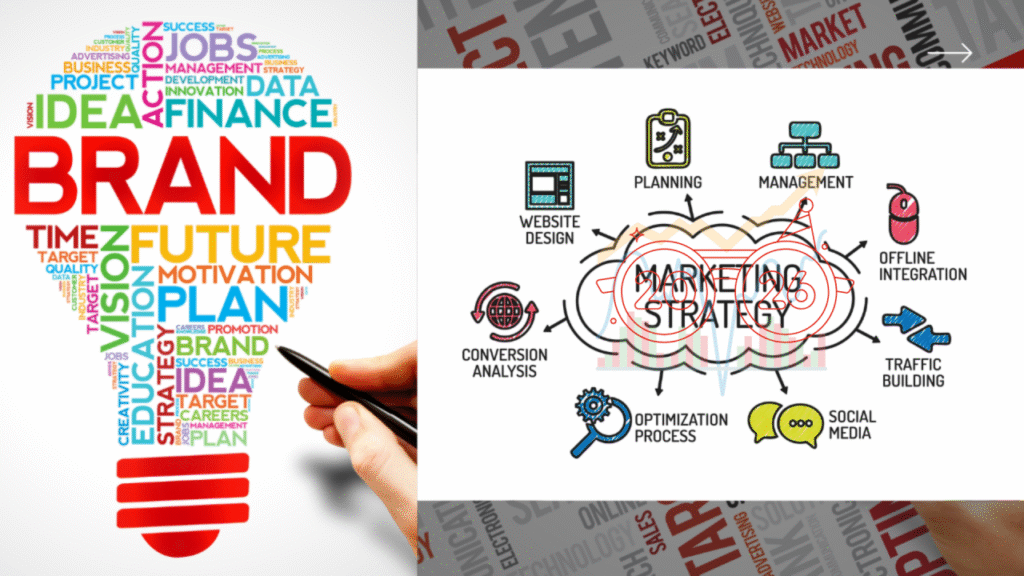
Social Search and Content Optimization
Today, people search directly on social platforms.
To improve visibility:
- Use keywords in captions
- Add relevant hashtags
- Write clear descriptions
- Use searchable titles
When your content matches search intent, your Target Audience finds you easily.
This improves organic reach in Digital Marketing.
Common Mistakes in Audience Targeting
Let’s look at common errors businesses make.
1. Targeting Everyone
If you target everyone, you reach no one.
Be specific about your Target Audience.
2. Ignoring Analytics
Not checking performance data leads to repeated mistakes.
Always track results.
3. Not Testing Campaigns
A/B testing helps find what works best.
Test different:
- Headlines
- Images
- Audiences
- Offers
4. Copying Competitors Blindly
What works for them may not work for you.
Focus on your audience.
5. Not Updating Audience Research
Trends change. Audience behavior changes.
Regular research is necessary in Social Media Marketing.
How Small Businesses Can Improve Audience Research
Small businesses can compete effectively with smart strategy.
Here’s how:
1. Focus on Niche Audience
Target a smaller but highly interested group.
Niche targeting improves engagement and loyalty.
2. Use First-Party Data
Collect emails, feedback, and customer information.
This data is very valuable in Digital Marketing.
3. Engage with Your Audience
Reply to comments and messages.
Ask questions.
Run polls and surveys.
Direct interaction gives real insights.
4. Combine Organic and Paid Strategy
Organic content builds trust.
Paid ads bring fast results.
Together, they strengthen your Social Media Marketing strategy.
The Future of Audience Research
Audience Research will continue to evolve.
Trends we see:
- More AI automation
- Better personalization
- Privacy-focused targeting
- First-party data importance
- Short-form content growth
Businesses that adapt will stay ahead.
Understanding your Target Audience will remain the most important factor in Digital Marketing success.
Final Thoughts
The biggest lesson in marketing is simple:
Right Audience > More Content
Instead of creating endless posts, focus on understanding your Target Audience deeply.
Strong Audience Research & Targeting improves:
- Engagement
- Conversions
- Brand loyalty
- Marketing ROI
In Social Media Marketing, success does not come from posting more. It comes from posting smarter.
In Digital Marketing, businesses that understand their audience always win.
If you want long-term growth, start investing time in audience research today.
Because when you speak to the right people, your message becomes powerful.
And powerful messages build powerful brands.
FAQs
1. What is Audience Research in Digital Marketing?
Audience Research is the process of collecting information about your Target Audience such as their age, interests, location, behavior, and needs. It helps businesses create better content and ads in Digital Marketing that connect with the right people.
2. Why is identifying a Target Audience important in Social Media Marketing?
Identifying a Target Audience is important because it helps you focus your content and ads on people who are most likely to buy your product or service. In Social Media Marketing, targeting the right audience improves engagement, reduces ad costs, and increases sales.
3. How can I find my Target Audience?
You can find your Target Audience by analyzing your existing customers, studying competitors, checking social media insights, and creating a customer persona. These steps help you understand who is most interested in your business in Digital Marketing.
4. What are the different types of audience targeting?
The main types of targeting in Social Media Marketing include demographic targeting (age, gender), geographic targeting (location), interest-based targeting, behavioral targeting, custom audiences, and lookalike audiences. Each method helps you reach a specific Target Audience.
5. How often should I update my audience research?
You should review your audience research regularly, especially when market trends or customer behavior changes. In Digital Marketing, updating your Target Audience strategy helps you stay relevant and improve campaign performance over time.