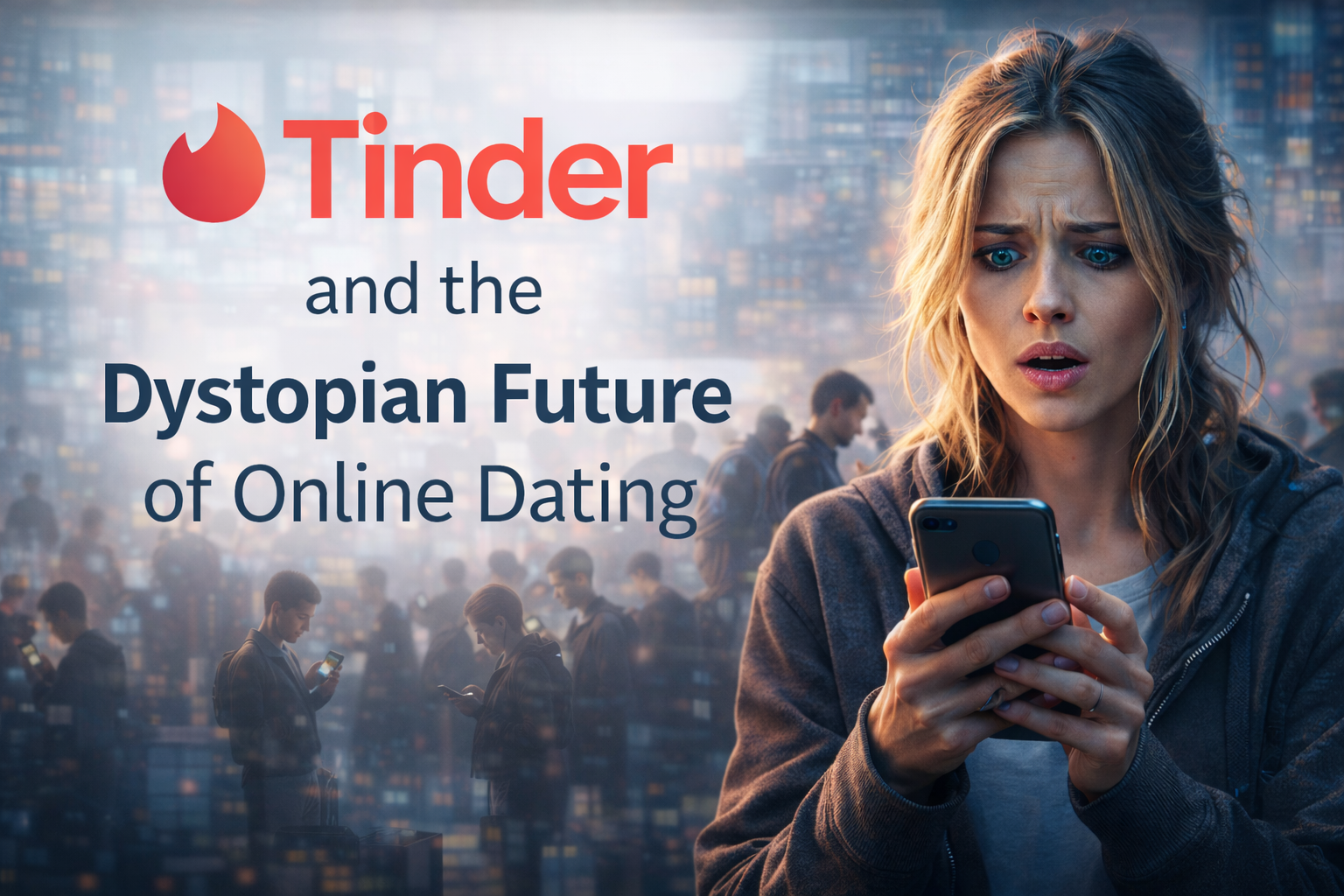
Online dating has completely changed the way people meet and form relationships, and Tinder is at the center of this shift. The app made it easier than ever to meet new people, but it also introduces challenges that hint at a dystopian future for modern relationships. In this blog, we will explore how Tinder is shaping the future of online dating, its psychological and social effects, and what users can expect in the coming years.
The Rise of Tinder
Launched in 2012, Tinder quickly became one of the most popular dating apps in the world. Its swipe-based system allows users to like or pass on potential matches in seconds, making online dating fast and accessible. This gamified approach to meeting people attracted millions of users and helped online dating become mainstream. Today, Tinder continues to influence trends in the dating world and the future of online dating.
How Tinder Changed Online Dating
Tinder made dating faster, more visual, and focused on instant attraction. Users swipe through hundreds of profiles daily, often making quick decisions based on appearance. While this speed is convenient, it sometimes reduces the emphasis on personality and compatibility. This shift has changed the way people approach dating, turning it into a numbers game rather than a path to meaningful connection. For those tracking digital marketing in 2026, understanding this trend is crucial, as apps like Tinder shape online behaviors and engagement patterns.

The Dystopian Side of Online Dating
While Tinder makes dating easier, it also introduces dystopian elements. Endless swiping, ghosting, and superficial judgments create an environment where genuine connections are rare. Users often report feelings of emptiness or frustration after repeated unsuccessful matches. Tinder’s algorithm decides who sees whom, raising questions about fairness and the level of control technology has over human relationships. This is a clear example of how convenience can sometimes come at the cost of authentic connection.
Psychological Effects of Tinder
The psychological impact of apps like Tinder cannot be ignored. Constant swiping can lead to decision fatigue, low self-esteem, and even addictive behavior. Users may develop unrealistic expectations or struggle with rejection in ways that affect their mental health. With digital marketing in 2026 focusing on personalized experiences, dating apps may use AI-driven notifications and suggestions to keep users engaged, which could intensify these psychological challenges.
Tinder and the Gamification of Love
Tinder has turned dating into a game. Likes, matches, and Super Likes provide small doses of dopamine, making the app addictive. This gamification can make love feel transactional and foster a culture of short-term satisfaction over long-term commitment. For anyone exploring the future of online dating, this shift demonstrates how technology can influence emotional experiences and reshape expectations around romance.

Read also : Apple: A Masterclass in Style and Branding
Social Implications
The dystopian effects of online dating extend beyond individual users. Socially, Tinder has changed how people communicate, form communities, and perceive relationships. Face-to-face interactions are often replaced with quick swipes and messages, which can contribute to isolation. Traditional social skills, like conversation and empathy, may decline as app-driven interactions dominate modern relationships. Understanding these changes is essential for businesses and marketers tracking digital marketing in 2026 trends.
Tinder and AI in Dating
Artificial intelligence is playing an increasingly important role in online dating. Tinder already uses algorithms to suggest matches based on user behavior and preferences. In the near future, AI systems may become even more sophisticated, predicting compatibility with greater accuracy. While this may improve match quality, it also raises concerns about privacy, data use, and control over personal relationships—adding to the dystopian side of modern online dating.
Read also : How Spotify Uses Data-Driven Marketing to Win Millions of Users
The Future of Online Dating
The future of online dating will be shaped by technology, AI, and a culture of instant gratification. Tinder shows how apps can connect people worldwide but also risks creating a society where meaningful relationships are more difficult to find. Personalized recommendations, notifications, and AI-driven engagement strategies will likely become standard in the digital marketing in 2026 era, blending technology and romance more than ever before.

Can Genuine Connections Survive?
Despite these challenges, genuine connections are still possible. Users who approach online dating intentionally and mindfully can navigate the dystopian elements. Setting boundaries, focusing on meaningful conversations, and balancing online interactions with real-world experiences are key strategies for maintaining authenticity in the modern dating world.
Read also : How Duolingo’s Social Media Strategy Revolutionized Language Learning
Lessons from Tinder
Tinder provides several lessons about the future of online dating:
- Technology is shaping romance: Algorithms control who we see and how we interact.
- Superficial judgments dominate: Instant swiping prioritizes looks over personality.
- Mental health matters: Awareness of psychological impacts is crucial.
- Personal choice is key: Mindful use preserves genuine connections.
Final Thought
As Tinder continues to redefine how we meet, connect, and fall in love, the future of online dating looks both exciting and cautionary. Technology and AI offer convenience and global reach, but they also risk creating a dystopian landscape where instant gratification and superficial judgments overshadow meaningful connection. By using online dating apps mindfully and combining digital interactions with real-world experiences, users can enjoy the benefits of technology without falling into the pitfalls of a digital romance-driven world.
FAQs
1. What is the dystopian side of Tinder and online dating?
The dystopian side refers to features like endless swiping, ghosting, and superficial judgments, which can make genuine connections harder to find and create a culture of instant gratification over meaningful relationships.
2. How has Tinder changed the future of online dating?
Tinder popularized swipe culture and gamified dating, making online dating faster and more visual. This shift has influenced the future of online dating by prioritizing appearance and instant attraction over personality and compatibility.
3. Can AI improve online dating experiences on Tinder?
Yes. Tinder uses AI algorithms to suggest matches based on user behavior. In the future, AI may better predict compatibility, improving match quality while raising questions about privacy and control.
4. What psychological effects can Tinder have on users?
Frequent swiping can lead to decision fatigue, low self-esteem, and addictive behavior. Users may also develop unrealistic expectations or struggle with rejection, which can impact mental health.
5. How can users maintain genuine connections in the digital dating world?
By approaching online dating intentionally, setting boundaries, focusing on meaningful conversations, and balancing online interactions with real-world experiences, users can preserve authentic relationships despite the dystopian trends of modern apps.